 Krishna Kaanth M
- Agentic commerce lets AI agents discover, compare, verify, and sometimes buy on a person's behalf, so brands must be in the curated 5 to 10 seller set or stay invisible.
- ACP, UCP, AP2, and MCP are layers, not rivals: MCP connects data, ACP and UCP handle checkout and journey, and AP2 authorizes agent payments.
- Product feeds, GTIN, and the is_eligible_search boolean decide whether agents can even see your catalog, and hidden facet data must be surfaced as text.
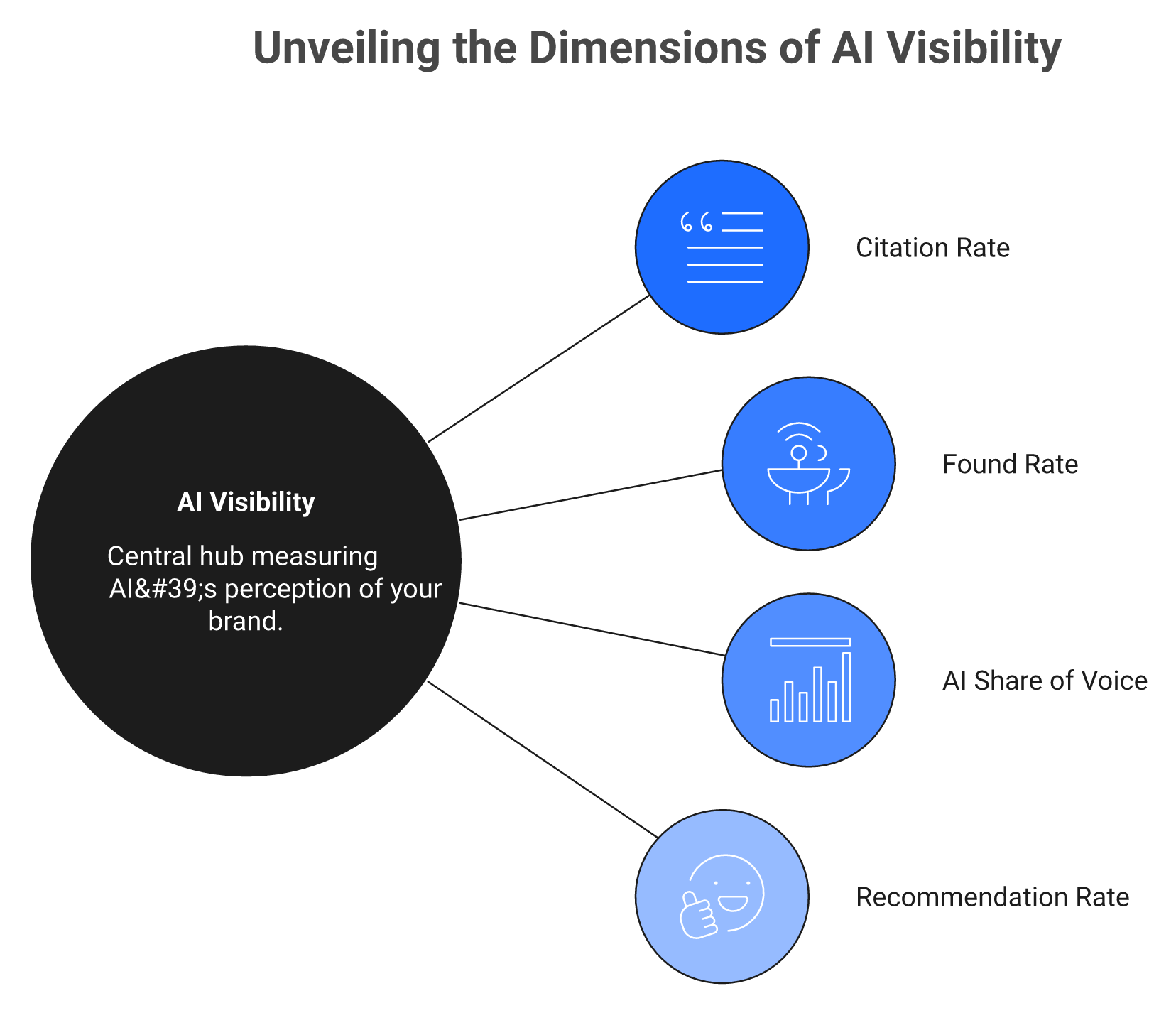
- Rank is a legacy metric; citation rate, found rate, AI share of voice, and recommendation rate now predict agent-driven revenue.
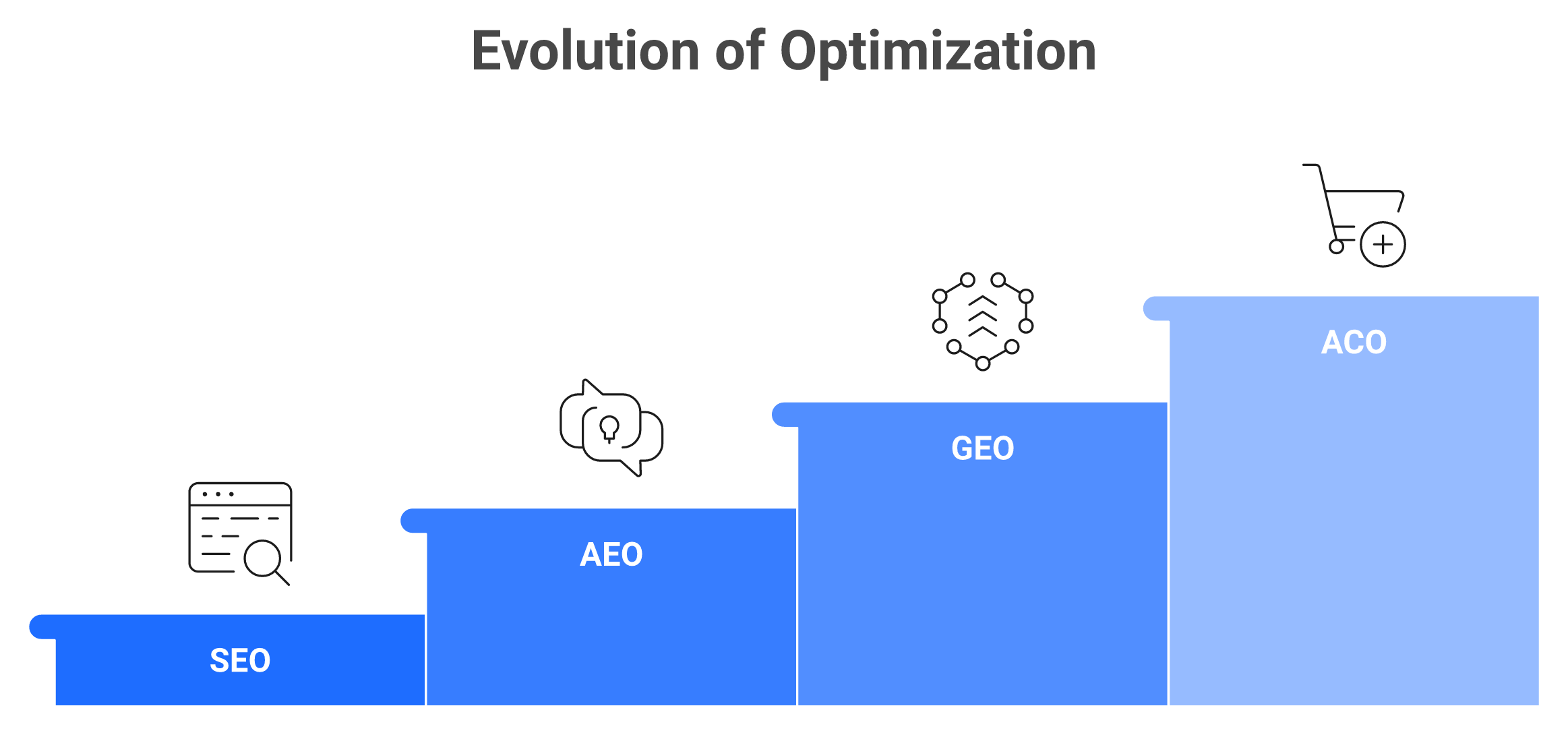
- SEO ranks pages, AEO earns citations, GEO extends across generative surfaces, and ACO makes products transactable, which is the most revenue-tied layer.
- Most 2026 agentic experiences are still assistive, so the highest-ROI move is fixing feeds, schema, and brand authority before chasing autonomy hype.
Why Is Agentic Commerce Rewriting the Rules of Search, and What Does It Actually Mean?
Last month a founder showed me her Gemini screen. She had typed, "find me winter running shoes under 8,000 rupees and just order them." No blue links. No ten tabs. She wanted the machine to decide and act.
Agentic commerce is a model of buying and selling in which AI agents act on behalf of a person or business. They autonomously discover, compare, verify, and sometimes complete purchases using structured product data and standardized checkout protocols like ACP, UCP, and AP2. The shift is existential. AI now curates a sample set of five to ten sellers, so if your brand is not in that set, you are excluded from the buying conversation entirely.
🛒 The Old Journey: Ten Blue Links and a Human Doing the Work
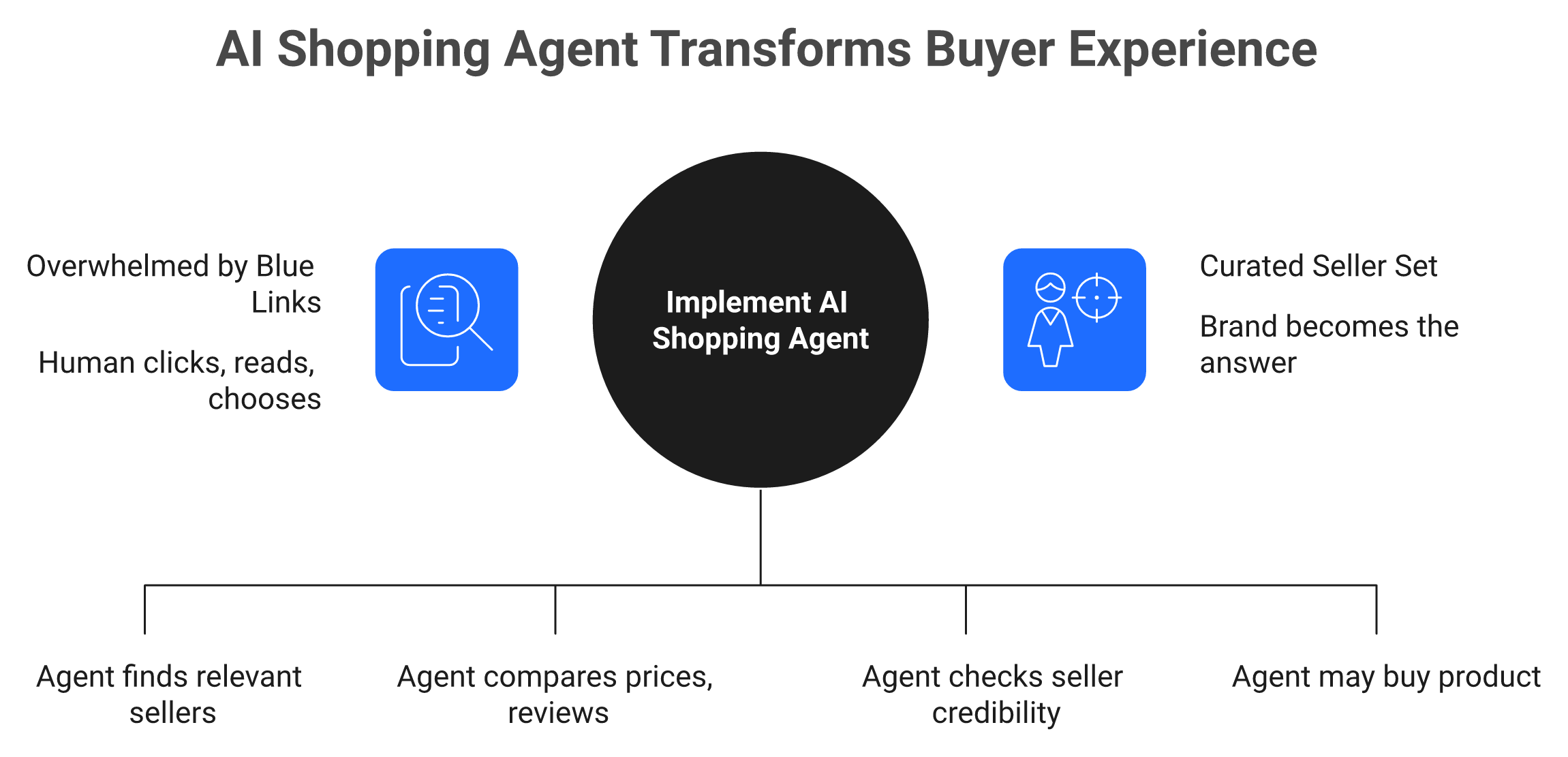
For twenty years, search meant a person clicking, reading, and choosing. You ranked, they clicked, you converted. The whole model assumed a human would do the research.
That assumption is breaking. People now say "just tell me the answer, so like just do it for me." The click is disappearing, and with it the reason to rank in the traditional sense. This is the core idea behind agentic commerce fundamentals.
⚠️ The Rupture: When Rank Becomes a Legacy Metric
Here is the uncomfortable part. When an agent shortlists a handful of sellers, visibility turns binary. You are in the set or you are invisible.
Shopify reported that AI-driven traffic to its stores grew roughly 8x year over year in early 2026, and orders from AI-powered searches grew close to 13x. That is not a trickle. It is buyers letting machines shop for them, and rank alone no longer guarantees a seat at the table. This is exactly the gap our generative engine optimization work is built to close.
Krishna Kaanth, our founder at MaximusLabs, frames this bluntly. "GEO is not SEO. It's a data science problem. We need to exactly know how these LLM algorithms work to be present in the answers." I think he is right, though I would add one caveat. The mechanics matter, but so does trust, and we will come back to that tension later.
🍳 Why This Glossary Is a Strategy Document, Not a Word List
Think of a chatbot as a brain in an empty room. An agent is the chef with a kitchen wired around it, able to actually cook and serve. The vocabulary in this guide describes that wiring.
Every term here maps to a decision about whether an AI engine cites you and lets an agent transact with you. That is the frame we use at MaximusLabs: agentic commerce is a revenue problem, not a ranking problem. Learn the words, and you learn where your revenue leaks. If you want the deeper primer, start with what agentic commerce is.
What Are the Core Actors and Actions: AI Agent, Machine Customer, Agentic Checkout, and Zero-Click Buying?
An AI agent is software that plans and takes actions toward a goal, not just answers questions. A machine customer (Gartner's term) is a non-human economic actor that researches and buys. Agentic checkout is the agent completing a purchase inside the AI surface. Zero-click buying is a transaction finished without the shopper ever visiting the merchant's site, the behavior these terms collectively describe.
🤖 Agent Versus Chatbot: The Distinction That Trips Everyone Up
A chatbot answers. An agent acts. That is the whole difference, and most people miss it.
A chatbot can tell you the best running shoes. An agent can pick one, add it to a cart, and push it through checkout. The brain is the same. The wiring around it is not. For a fuller breakdown, see how AI shopping agents work.
👤 The Machine Customer, Named by Gartner
Gartner coined "machine customer" to describe a non-human actor that researches and buys on a person's behalf. It also describes the seller-side "digital twin of the customer" that models buyer preferences. This matters because your next big account might not be a human at all.
🛍️ Agentic Checkout and Zero-Click Buying, and Where They Still Break
Agentic checkout still stubs out more often than vendors admit. A practitioner described trying to buy snowboard pants end to end in Gemini, and it "didn't work, just in a couple different loops." Without canonical intent endpoints, the agent hits your merchant API and stalls.
That failure is instructive. Zero-click buying only works when your data feed can actually fulfill the order. The site is the dining room; the feed is the kitchen the delivery driver needs. Understanding how agentic commerce works under the hood makes this failure mode obvious.
📋 Quick-Reference: The Four Core Terms
| Term | Plain definition | What it changes |
|---|---|---|
| AI agent | Software that plans and acts toward a goal | Buyers delegate the doing, not just the asking |
| Machine customer | Non-human actor that researches and buys | Your "customer" may be an algorithm |
| Agentic checkout | Agent completes purchase inside the AI surface | Checkout moves off your site |
| Zero-click buying | Purchase finished without a site visit | Rank and pageviews stop measuring demand |
ACP vs UCP vs AP2 vs MCP: What Is the Difference Between the Agentic Commerce Protocols?
MCP (Anthropic, now Linux Foundation) is the data-connectivity layer beneath everything. ACP (OpenAI and Stripe, later Meta) handles agentic checkout via a shared payment token, and it powers ChatGPT Instant Checkout. UCP (Google and Shopify) covers the full discovery-to-post-purchase journey and powers Google AI Mode and Gemini. AP2 (Google) secures agent-initiated payments through signed Intent Mandates. They are layers, not rivals.
🧩 They Are Layers, Not Rivals
Most glossaries frame these four as competitors racing for one crown. That read gets it backwards. They stack.
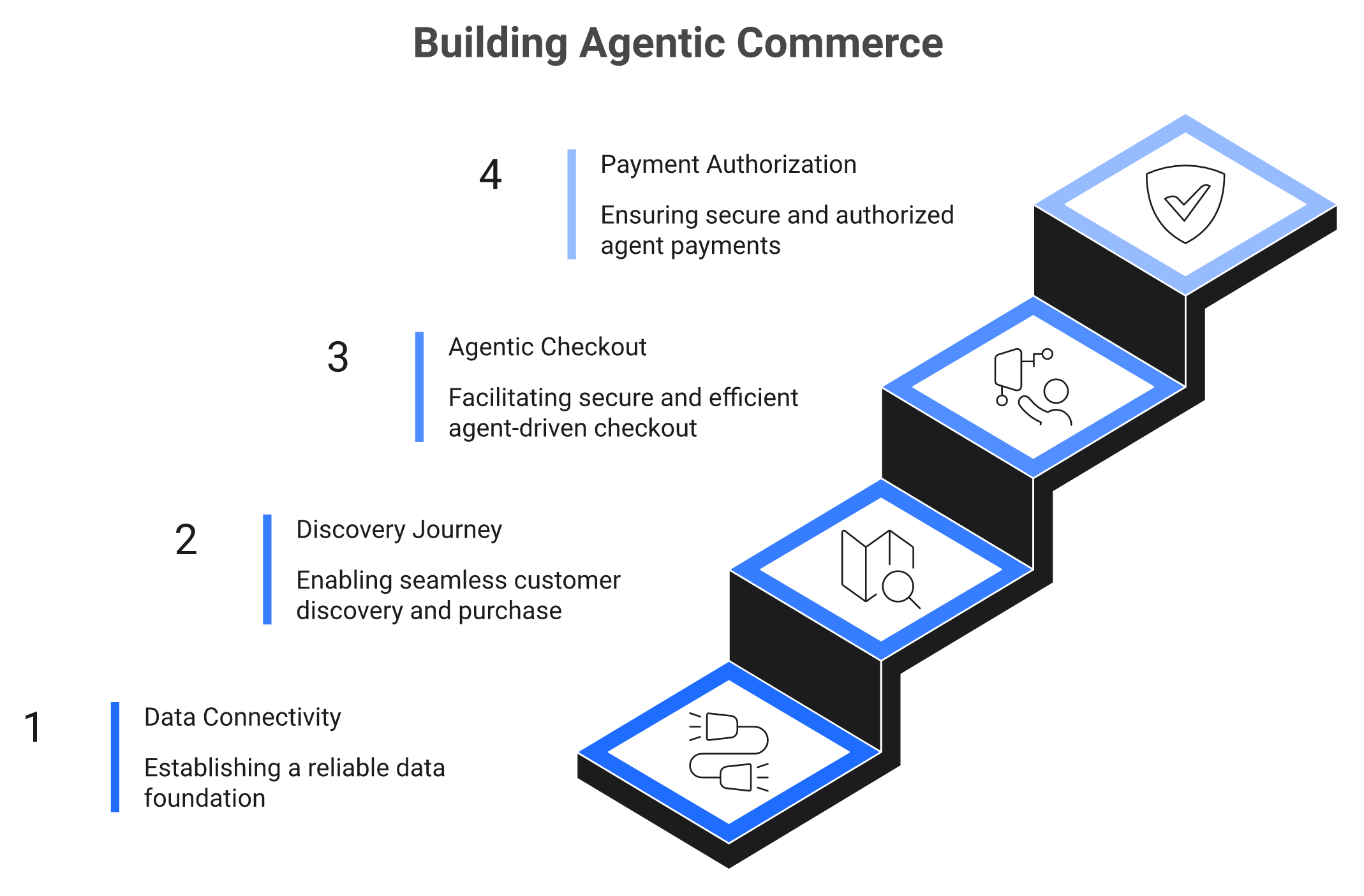
MCP moves data. ACP and UCP handle discovery and checkout. AP2 handles trusted payment. You do not "pick a winner"; you make sure your feed and schema feed all of them. Our agentic commerce service starts exactly here.
🔌 MCP: The Connectivity Layer (Layer Zero)
The Model Context Protocol, released by Anthropic in November 2024 and now under the Linux Foundation, gives agents a universal way to connect to tools and data in real time. Think of it as the plumbing. ACP and UCP both sit on top of it. For the wider picture, see the A2A protocols in agentic commerce.
💳 ACP: Checkout, Powered by a Shared Payment Token
The Agentic Commerce Protocol from OpenAI and Stripe, later joined by Meta, handles the purchase itself. It powers ChatGPT Instant Checkout through a shared payment token. Inside its feed sits a hard gate, is_eligible_search (a true/false switch), that decides whether a product surfaces at all. Merchant-supplied signals like popularity_score (0 to 5) and return_rate (0 to 100%) act as optional quality inputs. We cover the mechanics in our guide to ChatGPT Instant Checkout.
🌐 UCP: The Full Journey, Backed by Shopify
The Universal Commerce Protocol from Google and Shopify covers discovery through post-purchase, not just checkout. It powers Google AI Mode and Gemini, with backing from Walmart, Target, Etsy, and 20-plus merchants. Shopify's 8x traffic and 13x order figures show the traction behind it.
🔐 AP2: Trusted Payments via the Intent Mandate
Google's Agent Payments Protocol secures agent-initiated payments. Its signed Intent Mandate encodes price limits, timing, and conditions, so the agent can only spend inside boundaries you set.
| Protocol | Backed by | Layer | Primary use today |
|---|---|---|---|
| MCP | Anthropic, Linux Foundation | Data connectivity | Agents connect to tools and data |
| ACP | OpenAI, Stripe, Meta | Checkout, payment | ChatGPT Instant Checkout |
| UCP | Google, Shopify | Full journey | Google AI Mode, Gemini |
| AP2 | Payment authorization | Signed Intent Mandates |
At MaximusLabs, we audit the one layer all four protocols share, an agent-readable feed and clean schema, before touching any single integration. Fixing the shared dependency beats betting on one protocol, and our technical SEO and website audit is where that work begins.
SEO, AEO, GEO, or ACO: Which Optimization Discipline Actually Drives Revenue?
SEO optimizes pages to rank for human searchers. AEO (Answer Engine Optimization) structures content so AI engines cite it inside answers. GEO (Generative Engine Optimization) extends this across all generative surfaces. ACO (Agentic Commerce Optimization) is newest and most revenue-tied, because it makes your products transactable by agents, not just mentionable. SEO is measured by rank; AEO and GEO by citation rate; ACO by agent-driven revenue.
📈 The Starting Point Everyone Knows: SEO
SEO is the discipline most teams still budget for. You research keywords, you rank pages, you count traffic. For human searchers on Google, it still works.
The problem is not that SEO is wrong. The problem is that it stops at the site edge, and buyers no longer stop there. Our comparison of GEO versus traditional SEO spells out where the line falls.
⚠️ Why Rank Stopped Guaranteeing Visibility
When an AI curates five to ten sellers, ranking eleventh is the same as ranking nowhere. Traditional agencies optimizing for impressions and pageviews are measuring a world that is shrinking.
Ethan Smith, CEO of Graphite, has watched this pattern before. He got started in SEO in 2007 and calls the AI shift one of the biggest changes he has seen. His data point is striking: Webflow now gets 8% of its signups from LLM traffic, and that traffic converts at a 6x higher rate than Google search traffic. That is the revenue signal traditional SEO dashboards miss.
💰 AEO, GEO, and ACO: The Revenue-Tied Layers
Here is the resolution. AEO gets you cited in answers. GEO extends that across ChatGPT, Perplexity, Gemini, and Copilot. ACO, the newest layer, makes your products actually transactable by an agent, and it is the one most directly tied to revenue. Our answer engine optimization practice sits right at this seam.
Krishna Kaanth pushes the point further. "Visibility is earned through the data, not through the ads. You may sell much more just if you optimize for the AI agents to discover your products." His deeper claim is about durability: "If you build a brand in your space, then AI HAS to recommend you." The snippet, in his words, is the new rank.
| Discipline | Optimizes for | Surface | Metric |
|---|---|---|---|
| SEO | Ranking pages | Rank, traffic | |
| AEO | Being cited in answers | Answer engines | Citation rate |
| GEO | Citation across generative surfaces | ChatGPT, Perplexity, Gemini | AI share of voice |
| ACO | Transactable products | Agentic checkout | Agent-driven revenue |
🧭 What This Means for Your Budget on Monday
If your organic budget still pours into TOFU vanity content, you are funding impressions in a world buying through agents. Move spend toward BOFU and MOFU pages that answer how buyers actually ask AI engines.
This is where MaximusLabs lives. Our revenue-focused, trust-first RAEO methodology is built for ACO, optimizing what agents transact, not what dashboards flatter. That is the line between us and both traditional SEO agencies still selling rank and GEO specialists who make claims they never operationalize. If you want that mapped to your catalog, talk to our team.
What Product-Data and Feed Terms Decide Whether Agents Can See You: GTIN, Product Feed, and is_eligible_search?
A product feed is the structured file (title, price, availability, identifiers) agents ingest to know your catalog. GTIN, MPN, and SKU are the identifiers that let agents match products across surfaces. is_eligible_search is a true/false gate in OpenAI's ACP feed that hard-switches whether a product is surfaced. Merchant-supplied signals like popularity_score (0 to 5) and return_rate (0 to 100%) act as optional quality inputs.
📦 The Product Feed Is the Fulfillment Layer, Not the Website
An agent does not browse your site the way a shopper does. It reads a feed. The feed is the structured file that lists each product's title, price, availability, and identifiers.
If the feed is thin or stale, the agent cannot see the product. Your homepage can be beautiful and still be invisible to the machine doing the shopping. This is the gap our agentic commerce service closes first.
🏷️ GTIN, MPN, and SKU: The Identifiers That Match You Across Surfaces
These three identifiers let an agent recognize the same product across different platforms. GTIN is the global trade item number, the barcode standard. MPN is the manufacturer part number, and SKU is your internal stock code.
Google Merchant Center leans heavily on these identifiers to match and rank offers. Miss them, and your product may not connect to the wider catalog an agent searches. Getting this right is core to e-commerce product AEO.
🔀 is_eligible_search: The Hard Switch Most Merchants Never Check
Here is the detail competitor glossaries skip. OpenAI's ACP feed carries is_eligible_search, a simple boolean that decides whether a product surfaces at all. Set it wrong, and the product is dark.
Two optional inputs sharpen quality. popularity_score runs 0 to 5, and return_rate runs 0 to 100%. AI systems can use them as ranking signals, so accurate numbers help and inflated ones can hurt. Our technical SEO and website audit checks these switches line by line.
🔎 The Facet-Data Tactic: Bring Hidden Filters Into Text
Agents cannot click your dropdown filters. So the fabric, the closure, the material, and the neck style hiding inside your facet menus are invisible to them. A practitioner put it plainly: expose that facet data, "because a lot of the follow-up questions are best product with these attributes."
The Monday-morning move is concrete. Pull those attributes out of filters, and write them into headers, product copy, and FAQs. That is exactly the kind of feed-and-facet audit we run at MaximusLabs, turning hidden catalog metadata into agent-retrievable text through generative engine optimization. It is unglamorous work, and it decides whether you are eligible to be surfaced.
What Are Agent Cards, Schema, robots.txt, and llms.txt: The Technical Discoverability Terms?
An agent card is a structured JSON file (at /.well-known/agent-card.json) telling agents what a business does and which actions they may take. Schema (JSON-LD via Schema.org) labels facts like Offer, price, and AggregateRating so agents parse them reliably. robots.txt controls crawler access; llms.txt is a proposed file guiding AI crawlers, and Perplexity supports it while Google does not read it.
🪪 The Agent Card: Your Business, Machine-Readable
An agent card is a small JSON file published at a fixed path, /.well-known/agent-card.json. It tells an agent what your business does and which actions it may take. It comes from the A2A (agent-to-agent) protocol.
Think of it as a name tag an agent can read before it interacts. Without it, the agent guesses. With it, the agent knows. We map this in our work on A2A protocols in agentic commerce.
🏗️ Schema: Labeling Facts So Machines Do Not Guess
Schema is structured data, usually written in JSON-LD, that labels facts on your page. The key commerce types are Offer, Product, price, and AggregateRating. When you mark them up, an agent reads the fact instead of inferring it.
That reliability matters when an agent decides whether to trust and surface you. A guessed price is a risk; a labeled price is a fact. Our primer on schema markup basics walks through the exact properties.
🚦 robots.txt Versus llms.txt: Access and the Honest "It Depends"
robots.txt controls which crawlers may access your site. llms.txt is a newer proposal from Jeremy Howard (September 2024) meant to guide AI crawlers to your best content. Perplexity supports it, and Google has said it does not read it.
So the honest read is this: llms.txt is optional and unproven at scale, not a magic switch. Ethan Smith, CEO of Graphite, makes the harder point that you should not block indexing bots at all, because "it's not your choice whether to play the game, you are playing the game whether you want to or not." Block them, and you cede the channel to competitors. Our llms.txt guide covers where it does and does not help.
⚠️ The Schema Debate, Stated Openly
Practitioners disagree on how much schema actually moves the needle. One camp treats schema as "a hygiene factor at best, not a differentiator." Another camp argues it "increases your odds significantly" by telling AI exactly how to present your facts.
I lean toward hygiene-plus, but I hold it loosely. At MaximusLabs, we run schema and crawler access as baseline hygiene, then measure the actual RAG (retrieval-augmented generation) citation lift. We will not bill for a technical AEO audit that cannot prove retrieval impact, which is a line many vendors selling checkbox tactics never draw. See our answer engine optimization approach for how we tie it to results.
How Do You Measure AI-Search Visibility: Citation Rate, Found Rate, and AI Share of Voice?
Citation rate is how often AI engines cite your brand in answers. Found rate is how often you appear in an agent's candidate pool for a query. AI share of voice is your citation frequency versus competitors across a topic set. Recommendation rate is how often an agent actively suggests you. Together they replace rank as the KPIs that predict agent-driven revenue.
📊 The Situation: Teams Still Report Rank and Impressions
Most marketing teams still open a dashboard showing keyword rank and impressions. Those numbers feel safe. They have measured them for a decade.
The trouble is that they describe a world that is shrinking. A ranking has less meaning when the buyer never sees a results page. Our breakdown of GEO measurement and metrics reframes what to track instead.
⚠️ The Complication: Why Old Metrics Mislead
In a zero-click world, impressions do not equal influence. Worse, agents use query fan-out, decomposing one prompt into eight to twelve sub-queries run in parallel. Your content has to be eligible across several of those at once.
There is also a content-efficiency trap. As Ethan Smith notes, "19 out of 20 landing pages drive little to no traffic," while one in twenty drives roughly 85%. Counting all pages equally hides where the value sits. You can model this with our query fan-out generator.
✅ The Resolution: The Metrics That Actually Predict Revenue
Four metrics replace rank in the agentic era:
- Citation rate: how often AI engines cite your brand in answers.
- Found rate: how often you appear in an agent's candidate pool for a query.
- AI share of voice: your citation frequency versus competitors across a topic set.
- Recommendation rate: how often an agent actively suggests you.
These tie to money, not vanity. Webflow saw a 6x conversion-rate difference between LLM traffic and Google search traffic, which is exactly why citation-driven visibility deserves its own KPI. We track this through AI search visibility and brand mention tracking.
💰 Modeling Demand Without a Bot-Query Truth Set
There is no clean "truth set" of agent queries yet. So you approximate. Take your existing search data, and turn those keywords into questions, a hack Ethan Smith calls "directionally accurate."
This is where our lens at MaximusLabs differs from traditional agencies. Krishna Kaanth describes optimizing a nutrition brand's top 20 bottom-of-funnel keywords, after which "sales from their e-commerce website have doubled over the last six months." We instrument citation rate and agent-driven revenue as first-class pipeline metrics, measuring whether you are the answer, not whether you ranked. The full story is in our nutrition SEO agentic commerce case study.
Who Is Liable When an Agent Buys: Merchant of Record, Chargebacks, and Delegated Authority?
Delegated authority is the permission a shopper grants an agent to act and spend on their behalf, often bounded by a signed Intent Mandate (price limits, timing, conditions). Merchant of record is the entity legally responsible for the sale, tax, and refunds. When an agent purchase goes wrong, chargeback liability splits across shopper, agent platform, payment provider, and merchant, an unsettled question in 2026.
🔐 Delegated Authority and the Intent Mandate
Delegated authority is the permission a shopper hands an agent to act and spend for them. Google's AP2 protocol encodes this in a signed Intent Mandate. The mandate sets price limits, timing, and conditions, so the agent stays inside boundaries the human defined.
This is the safety rail of agentic commerce. It answers a simple question: what did the human actually authorize? Our agentic commerce 101 hub explains the wider payment stack.
🧾 Merchant of Record: Who Owns the Sale, Tax, and Refund
The merchant of record is the entity legally responsible for a sale. That means tax collection, refunds, and compliance sit with them. In agent-led buying, tax attribution generally follows the human or company behind the agent, not the agent itself.
I want to be honest here. The material I work from has no lived anecdote on tax edge cases, so I am leaning on primary protocol documentation and analyst glossaries rather than a war story.
⚠️ Chargebacks: The Liability Split Nobody Has Settled
When an agent buys the wrong thing, who eats the cost? Right now, liability splits messily across the shopper, the agent platform, the payment provider, and the merchant. There is no clean 2026 answer, and anyone who tells you otherwise is guessing.
That uncertainty is real, and naming it builds more trust than pretending it is solved. This is the standard read I think gets it backwards: vendors rush to promise clean rules that do not exist yet.
⚖️ Governance Conflict: Whose Rules Bind the Agent?
The deeper open question is whose rules win. The user's mandate, the platform's defaults, the ranking function, and merchant pressure can all pull in different directions. OpenAI's own merchant ranking signals (availability, price, maker or primary-seller status, and whether Instant Checkout is enabled) show the platform holds real leverage.
At MaximusLabs, we keep this section neutral on purpose. It is a domain where trust-first honesty matters more than a pitch, and the buyers we serve, founders and heads of growth, respect a clear map of what is still unsettled. If you want that map applied to your stack, talk to our team.
How Autonomous Is "Agentic" Really, and What Should You Do About It on Monday?
Most "agentic" experiences in 2026 are still assistive, not fully autonomous. Agents help research and stage purchases, but true end-to-end autonomy remains rare. Practically, the highest-ROI moves are not about chasing autonomy hype. Fix your product feed, expose facet metadata as text, add trustworthy schema, and instrument citation rate. Build brand authority so AI has to recommend you.
🎢 The Situation: The Hype Says Agents Already Do Everything
Every keynote makes it sound like agents already run the whole purchase. Type a wish, and the machine buys it. The demos are slick, and the promises are bigger.
I get the excitement. But when you actually run these flows, they stall more than the stage shows admit. Our state of agentic commerce 2026 report lays out where the reality sits today.
⚠️ The Complication: Most "Agentic" Is Still Assistive
Forrester draws a clean line between agent-assisted and truly agentic experiences, and notes most fall short of real autonomy. That matches what practitioners see. Remember the Gemini snowboard-pants checkout that looped and failed.
So the risk is spending scarce budget on autonomy that does not exist yet. The smarter read is to prepare the plumbing that every agent, assistive or autonomous, still needs. This is the case we make in our guide to agentic AI and the future of search.
✅ The Resolution: Your Monday Checklist, by Role
Here is the practical part, mapped to who is reading:
- Founder: decide the bet. Fund the feed, schema, and brand-authority layer before chasing new autonomy features, and ground it in a revenue-focused framework.
- VP Marketing / Head of Growth: move budget off TOFU vanity content toward BOFU and MOFU pages that answer how buyers ask AI engines, using answer engine optimization.
- Marketing Manager: expose facet metadata as text, add Offer and AggregateRating schema, and start tracking citation rate this week with AI search visibility tracking.
There is a real disagreement worth naming. Ethan Smith calls first-mover advantage "a false concept" in search, and he has earned the skepticism, having watched Google crush 2007-era content spam. "I knew the exact same thing was going to happen with AI." Krishna Kaanth takes the other side, arguing trust compounds and creates a durable moat for early, credible movers.
I lean toward Krishna's view, though I hold it with some humility. Both can be true: hacks do not compound, but trust does. As we often put it, the penalty for being average has never been so severe, which is why our trust-first content playbook starts there.
🔮 What I Am Sitting With Next
Here is the open question I keep turning over. If agents converge on a small, trusted sample set, does that harden into a winner-take-most dynamic, or do niche brands get more discoverable, not less? I genuinely do not know yet.
This is the layer we build at MaximusLabs, and we build it fast. Corporate engineering teams often quote nine months for work we ship in weeks, so brands become eligible before the standards fully settle. If you are tired of traffic without revenue, or you want your product impossible for an agent to ignore, let's talk. You will leave with clarity, not jargon.
Frequently asked questions
What is agentic commerce in simple terms?
Agentic commerce is a model of buying and selling where AI agents act on behalf of a person or business. They autonomously discover, compare, verify, and sometimes complete purchases using structured product data and checkout protocols like ACP, UCP, and AP2. The shift is existential. Instead of showing ten blue links, AI curates a sample set of five to ten sellers. If your brand is not in that set, you are excluded from the buying conversation entirely. The old journey assumed a human would click, read, and choose. The new behavior is "just tell me the answer and do it for me." Shopify reported AI-driven traffic grew roughly 8x year over year in early 2026, with AI-search orders up close to 13x. We treat this as a revenue problem, not a ranking problem. To go deeper on the foundations, read our primer on what agentic commerce is . The vocabulary you learn here maps directly to whether an AI engine cites you and lets an agent transact with you.
What is the difference between an AI agent and a chatbot?
A chatbot answers questions. An AI agent plans and takes actions toward a goal. That single distinction trips up most teams. A chatbot can tell you the best running shoes. An agent can pick one, add it to a cart, and push it through checkout. The brain is the same, but the wiring around it is not. Chatbot: conversational, informational, stops at the answer. AI agent: goal-directed, can call tools, can transact. Machine customer: Gartner's term for a non-human actor that researches and buys. This matters because your next big account may not be a human at all. Agentic checkout still stubs out often, as when a Gemini checkout looped and failed without canonical intent endpoints. Understanding the mechanics is the first step to getting surfaced. For a fuller breakdown, see how AI shopping agents work . Once you grasp the agent-versus-chatbot line, the rest of the agentic vocabulary falls into place quickly.
What is the difference between ACP, UCP, AP2, and MCP?
They are layers, not rivals. Most glossaries frame these four protocols as competitors racing for one crown, but they actually stack together. MCP (Anthropic, now Linux Foundation): the data-connectivity layer beneath everything. ACP (OpenAI and Stripe, later Meta): handles agentic checkout via a shared payment token and powers ChatGPT Instant Checkout. UCP (Google and Shopify): covers the full discovery-to-post-purchase journey and powers Google AI Mode and Gemini. AP2 (Google): secures agent-initiated payments through signed Intent Mandates. You do not pick a winner. You make sure your feed and schema feed all of them, because that is the shared dependency every protocol reads from. We audit that one shared layer before touching any single integration. Learn the connective tissue in our overview of A2A protocols in agentic commerce . Fixing the layer all four protocols share beats betting on any single standard.
What is is_eligible_search and why does my product feed matter?
A product feed is the structured file (title, price, availability, identifiers) that agents ingest to know your catalog. If the feed is thin or stale, the agent cannot see the product, no matter how good your site looks. is_eligible_search is a true/false gate in OpenAI's ACP feed that hard-switches whether a product is surfaced at all. Set it wrong, and the product goes dark. GTIN, MPN, and SKU: identifiers that let agents match products across surfaces. popularity_score (0 to 5) and return_rate (0 to 100%): optional quality inputs AI can use for ranking. Facet data: agents cannot click dropdown filters, so fabric, closure, and material must be written into text. The Monday move is concrete. Pull hidden filter attributes into headers, product copy, and FAQs so agents can retrieve them. We run feed-and-facet audits as part of our agentic commerce service . It is unglamorous work, but it decides whether your products are eligible to be surfaced at all.
How do you measure AI-search visibility instead of rankings?
Rank is a legacy metric in a zero-click world. When an agent curates five to ten sellers, ranking eleventh is the same as ranking nowhere. Four metrics replace it. Citation rate: how often AI engines cite your brand in answers. Found rate: how often you appear in an agent's candidate pool for a query. AI share of voice: your citation frequency versus competitors across a topic set. Recommendation rate: how often an agent actively suggests you. These tie to money, not vanity. One benchmark showed a 6x conversion-rate difference between LLM traffic and Google search traffic, which is exactly why citation-driven visibility deserves its own KPI. Agents also use query fan-out, decomposing one prompt into eight to twelve sub-queries, so you must be eligible across several at once. We instrument citation rate and agent-driven revenue as first-class pipeline metrics through AI search visibility and brand mention tracking , measuring whether you are the answer, not whether you ranked.
What is the difference between SEO, AEO, GEO, and ACO?
Each discipline optimizes for a different surface and metric, and only some map to revenue. SEO: optimizes pages to rank for human searchers on Google, measured by rank and traffic. AEO (Answer Engine Optimization): structures content so AI engines cite it inside answers, measured by citation rate. GEO (Generative Engine Optimization): extends citations across ChatGPT, Perplexity, Gemini, and Copilot, measured by AI share of voice. ACO (Agentic Commerce Optimization): the newest and most revenue-tied layer, making products transactable by agents. SEO is not wrong; it just stops at the site edge, and buyers no longer stop there. If your budget still pours into TOFU vanity content, you are funding impressions in a world buying through agents. Our revenue-focused, trust-first methodology is built for this shift. Explore how we approach answer engine optimization to move spend toward BOFU and MOFU pages that answer how buyers actually ask AI engines.
Is agentic commerce fully autonomous in 2026, and what should I do now?
Not yet. Most agentic experiences in 2026 are still assistive, not fully autonomous. Agents help research and stage purchases, but true end-to-end autonomy remains rare, and checkout flows still stall. So the risk is spending scarce budget chasing autonomy that does not exist yet. The smarter move is preparing the plumbing every agent still needs. Founders: fund the feed, schema, and brand-authority layer first. VP Marketing: shift budget from vanity content to ICP-aligned BOFU and MOFU pages. Marketing Managers: add Offer and AggregateRating schema and start tracking citation rate this week. There is genuine debate: some argue first-mover advantage is a false concept in search, while we believe trust compounds into a durable moat. Both can be true, since hacks do not compound but trust does. We build this layer in weeks, not the nine months corporate teams often quote. To map it to your catalog, talk to our team and leave with clarity, not jargon.